Understanding Retirement Planning in Japan: A Comprehensive Guide


Introduction to Retirement Planning in Japan
Retirement planning is a crucial aspect of financial stability for individuals across the globe. In Japan, a country known for its aging population, understanding the nuances of retirement planning is particularly important. This guide aims to provide a comprehensive overview of the key elements involved in planning for retirement in Japan.
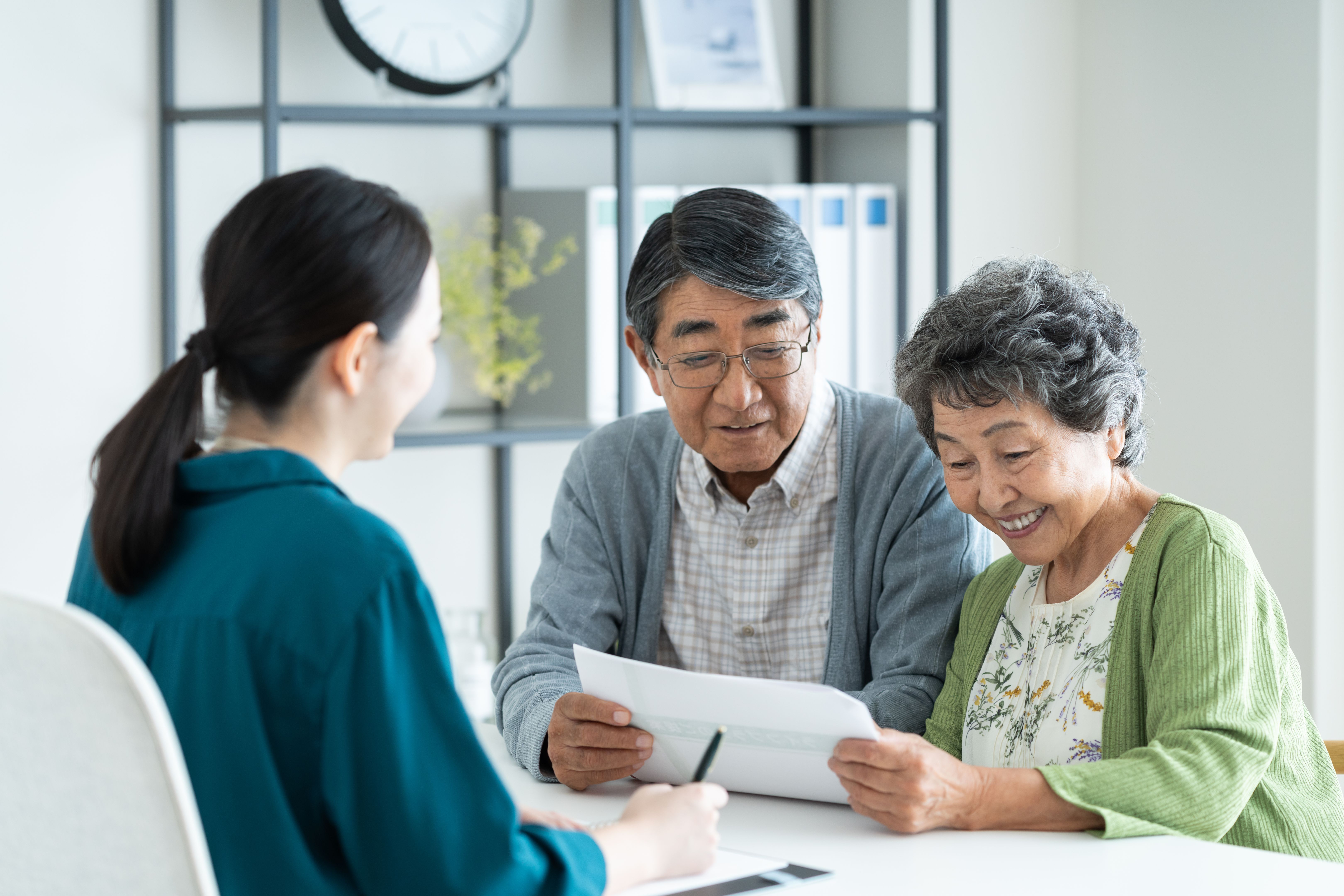
The Importance of Early Planning
Starting your retirement planning early can significantly impact your financial security in later years. The earlier you begin, the more time your investments have to grow, and you can take advantage of compounding interest. In Japan, where life expectancy is high, ensuring a steady income throughout your retirement years is essential.
Consider setting up a retirement account as soon as possible. This could include options like the iDeCo (Individual Defined Contribution) plan, which offers tax benefits and flexibility in contributions. Early planning allows you to adjust your strategy as your career and personal circumstances change.
Understanding the Japanese Pension System
The Japanese pension system comprises two main components: the National Pension (Kokumin Nenkin) and the Employees’ Pension Insurance (Kosei Nenkin). The National Pension is mandatory for all residents, while the Employees’ Pension is for salaried workers.
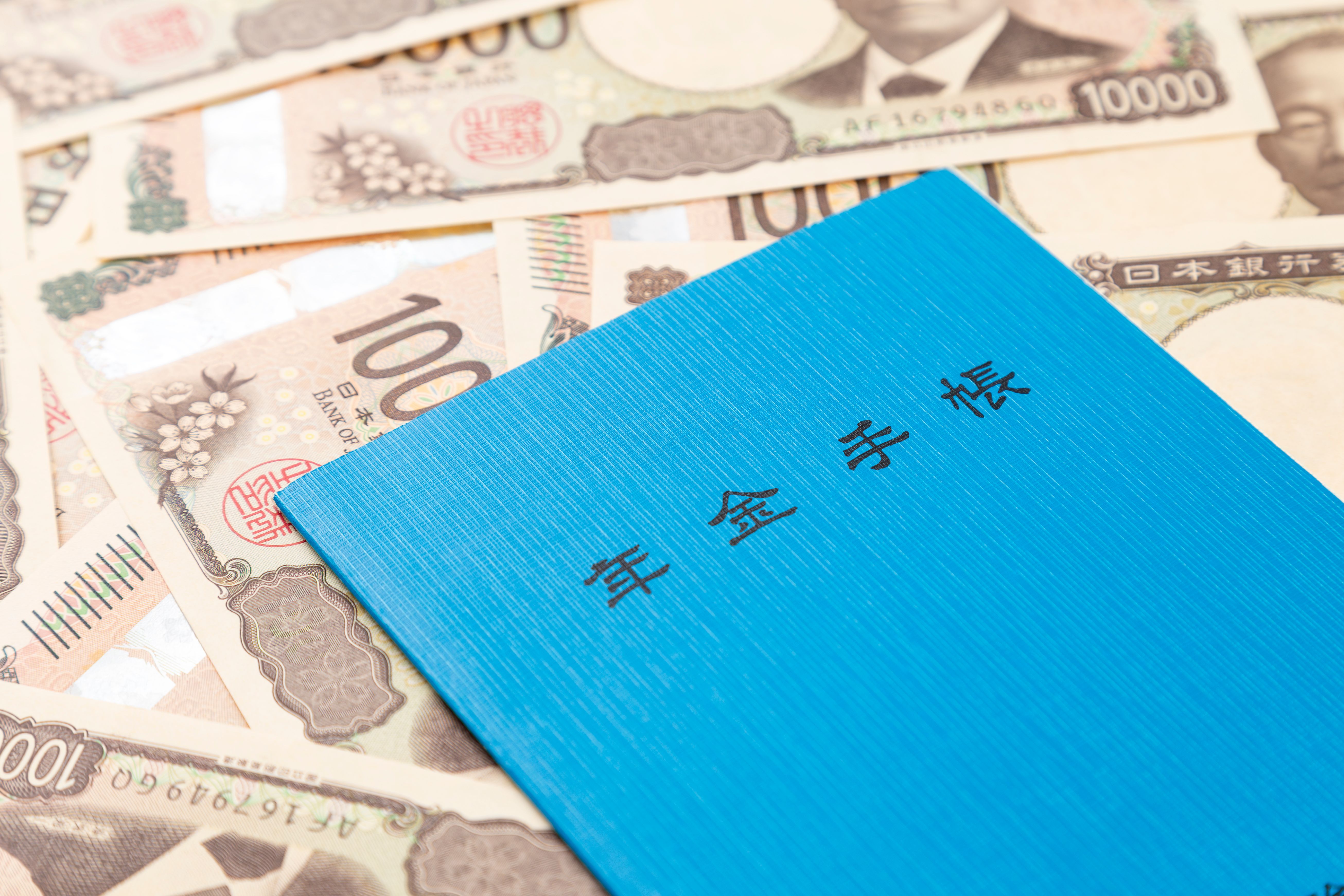
It's important to understand how these systems work and what benefits you are entitled to. Regularly reviewing your pension statements and consulting with a financial advisor can help ensure you are on track to meet your retirement goals.
Investment Options for Retirement
In addition to pension plans, exploring other investment options can enhance your retirement savings. Consider diversifying your portfolio with stocks, bonds, and mutual funds. Each investment type carries different risks and potential returns, so it's crucial to balance them according to your risk tolerance and retirement timeline.
The NISA (Nippon Individual Savings Account) is another popular option in Japan, providing tax-free investment opportunities. Understanding these options and how they fit into your overall plan can help you maximize your retirement savings.

Managing Healthcare Costs
Healthcare costs are a significant concern for retirees in Japan. The country's public healthcare system offers substantial coverage, but out-of-pocket expenses can still be considerable. Planning for these costs is an essential part of your retirement strategy.
Consider purchasing private health insurance to cover potential gaps in public healthcare. Additionally, setting aside savings specifically for healthcare can provide peace of mind and financial stability during your retirement years.
Adjusting to Lifestyle Changes
Retirement is not just a financial transition; it also involves significant lifestyle changes. Planning for these changes involves considering how you want to spend your time, where you wish to live, and the activities you want to pursue.
Creating a retirement lifestyle plan can help you envision your future and make necessary adjustments to your financial plan. Whether you plan to travel, pursue hobbies, or spend more time with family, having a clear vision can guide your financial decisions.

Conclusion
Understanding retirement planning in Japan involves a blend of early preparation, knowledge of the pension system, strategic investments, and healthcare management. By taking a proactive approach, you can ensure a comfortable and secure retirement.
Consulting with financial advisors and regularly reviewing your plan can help you stay on track and adjust to any changes in your circumstances. With the right strategy, you can enjoy a fulfilling retirement in Japan.