How to Optimize Your Household Budget for Long-Term Success


Understanding Your Financial Landscape
Optimizing your household budget begins with understanding your current financial situation. This means taking a comprehensive look at your income, expenses, debts, and savings. Start by gathering all your financial statements and create a list of your monthly income sources and expenses. This will provide a clear picture of where your money is going and where you might need to make adjustments.

Setting Realistic Financial Goals
Once you have a clear understanding of your financial landscape, it's time to set some realistic financial goals. These goals should be specific, measurable, achievable, relevant, and time-bound (SMART). Whether it's saving for a vacation, paying off debt, or building an emergency fund, having specific goals will help guide your budgeting efforts and provide motivation to stick to your plan.
Creating a Comprehensive Budget Plan
With your goals in place, the next step is to create a budget that aligns with them. Begin by categorizing your expenses into fixed and variable categories. Fixed expenses are those that remain constant each month, such as rent or mortgage payments, while variable expenses can fluctuate, like groceries and entertainment. Allocate a portion of your income to each category, ensuring that your total expenses do not exceed your income.
Embracing the 50/30/20 Rule
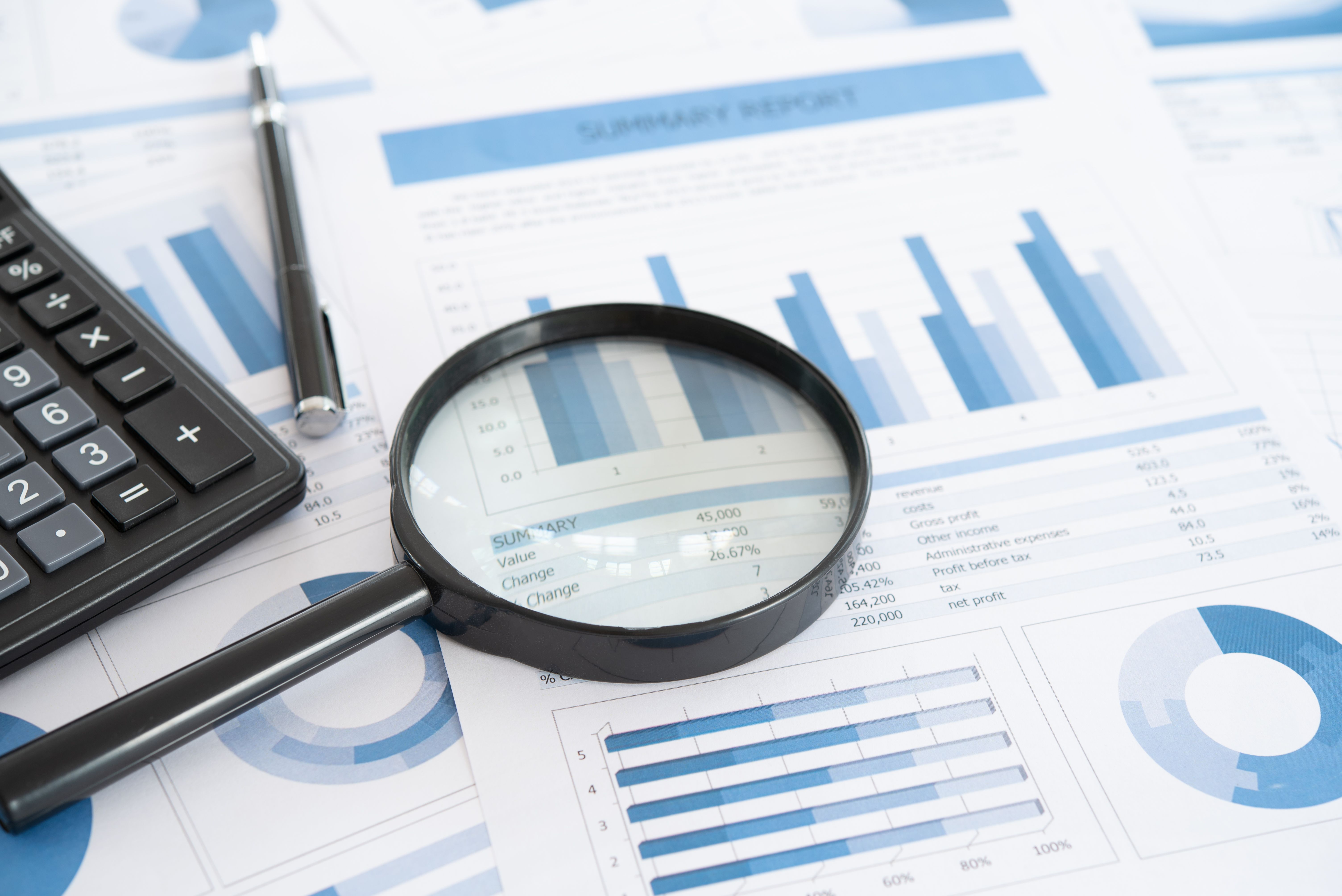
The 50/30/20 rule is a simple yet effective way to manage your budget. Allocate 50% of your income to needs, 30% to wants, and 20% to savings and debt repayment. This rule provides a balanced approach to budgeting, ensuring that you cover essential expenses while also setting aside funds for future goals and emergencies.
Tracking and Adjusting Your Budget
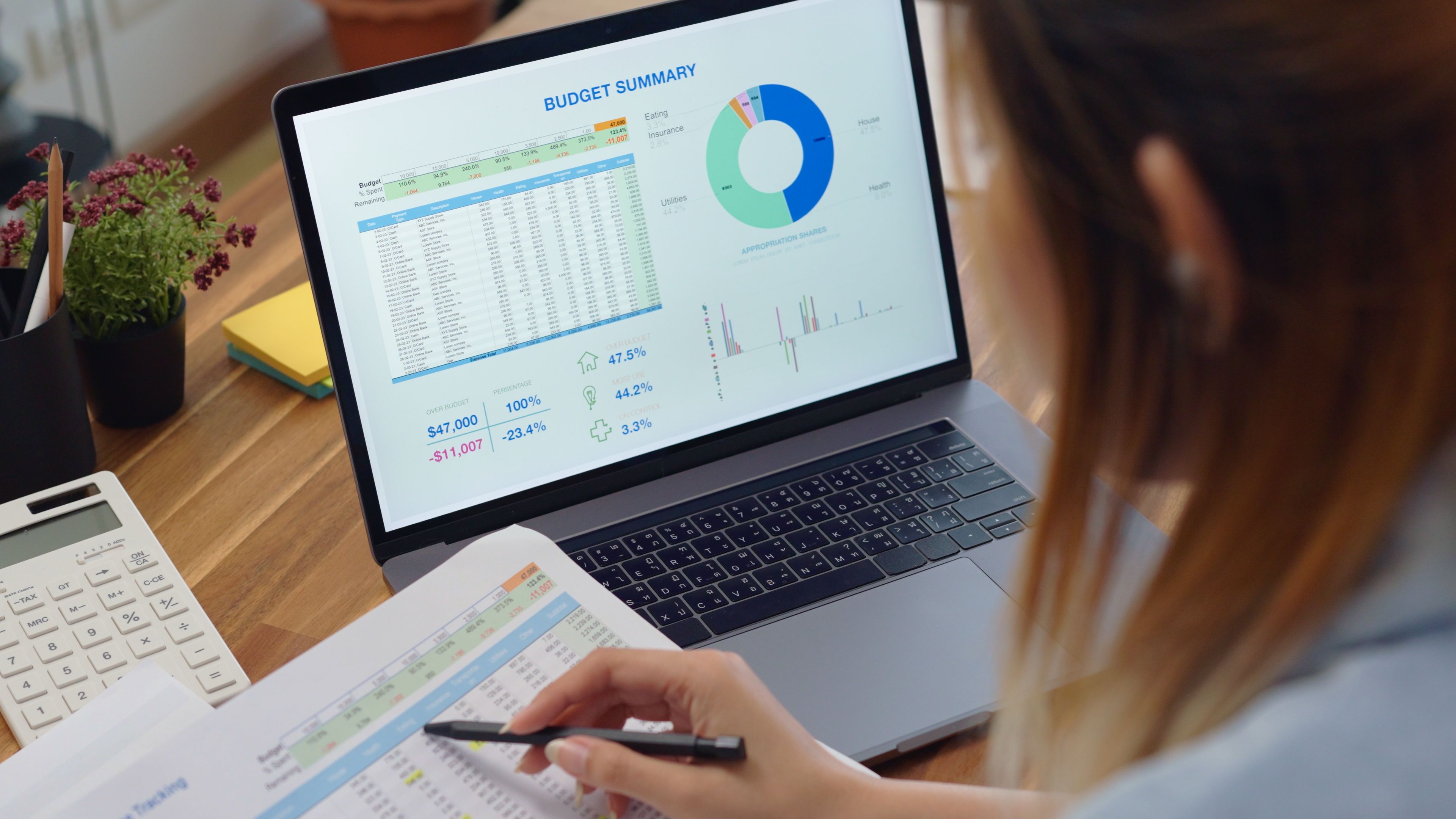
Creating a budget is just the beginning; tracking your spending is crucial for long-term success. Use budgeting apps or spreadsheets to monitor your expenses and compare them to your budget. This will help you identify areas where you may be overspending and allow you to make necessary adjustments to stay on track.
Regularly Reviewing Your Financial Goals
Your financial situation and goals may change over time, so it's important to review them regularly. Assess your progress and make adjustments to your budget as needed. This flexibility will ensure that your budget remains effective and aligned with your current financial objectives.
Building an Emergency Fund
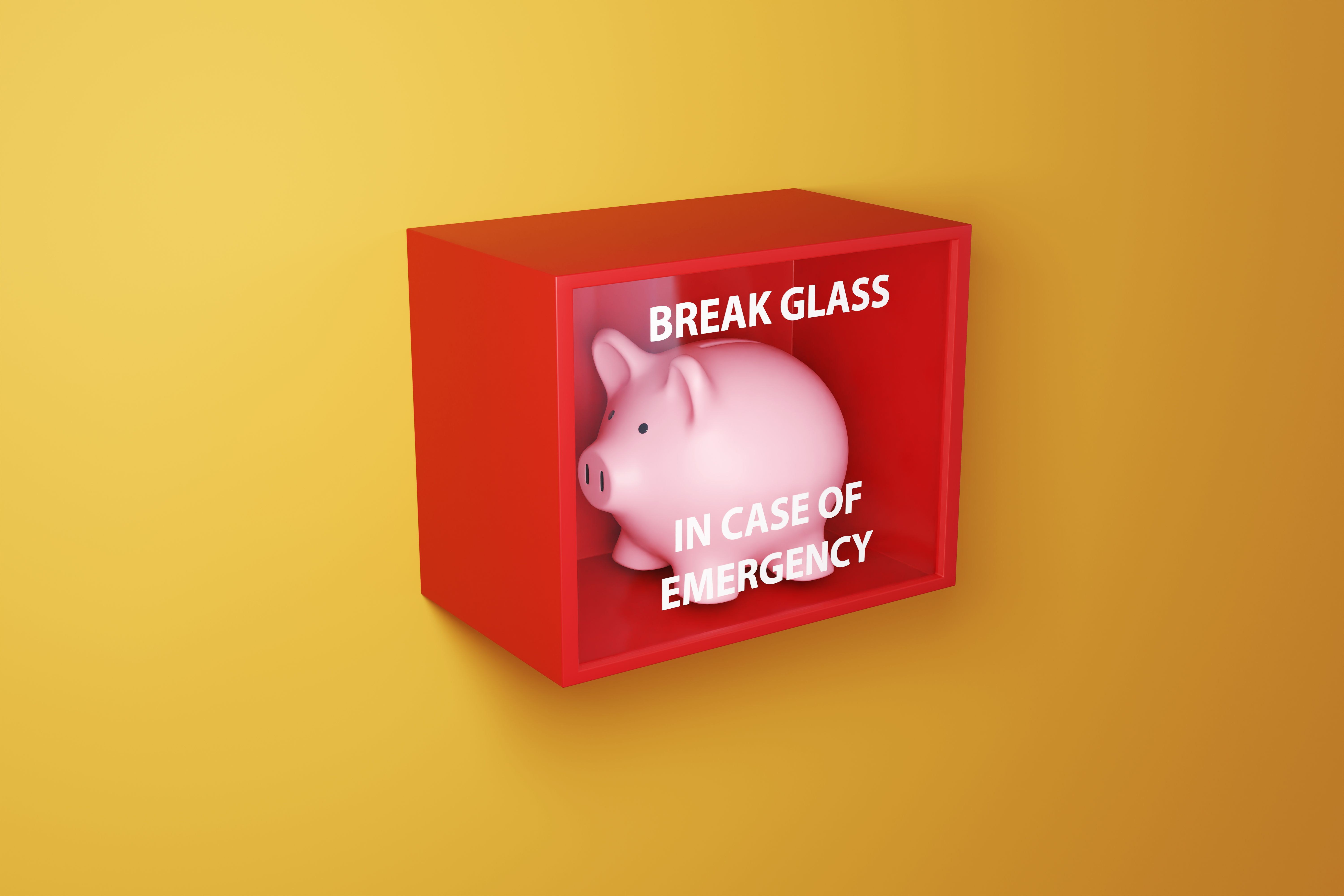
An essential aspect of a successful household budget is having an emergency fund. Aim to save at least three to six months' worth of living expenses. This fund will provide a financial cushion in case of unexpected events, such as job loss or medical emergencies, ensuring that you can maintain your lifestyle without going into debt.
Cutting Unnecessary Expenses
One of the most effective ways to optimize your budget is to cut unnecessary expenses. Review your spending habits and identify areas where you can make cuts. This might include dining out less frequently, canceling unused subscriptions, or finding more affordable alternatives for your regular purchases.
Staying Committed to Your Budget
Maintaining a household budget requires discipline and commitment. Remind yourself of your financial goals and the benefits of sticking to your budget. Celebrate small victories along the way to keep yourself motivated and on track for long-term success.