How to Navigate Pension Systems in Japan: Expert Insights


Understanding the Basics of Japan's Pension System
Japan's pension system, known as the National Pension (Kokumin Nenkin), is an essential part of the country's social security framework. It ensures that citizens and residents have financial support during their retirement years. The system can appear complex, especially for expatriates and foreigners living in Japan. However, understanding its components can make navigation easier.
The Japanese pension system is primarily divided into two categories: the National Pension for self-employed individuals and the Employees' Pension Insurance (Kosei Nenkin) for salaried workers. Both systems are mandatory, and contributions are typically deducted from salaries or paid directly by self-employed individuals.
Eligibility and Enrollment
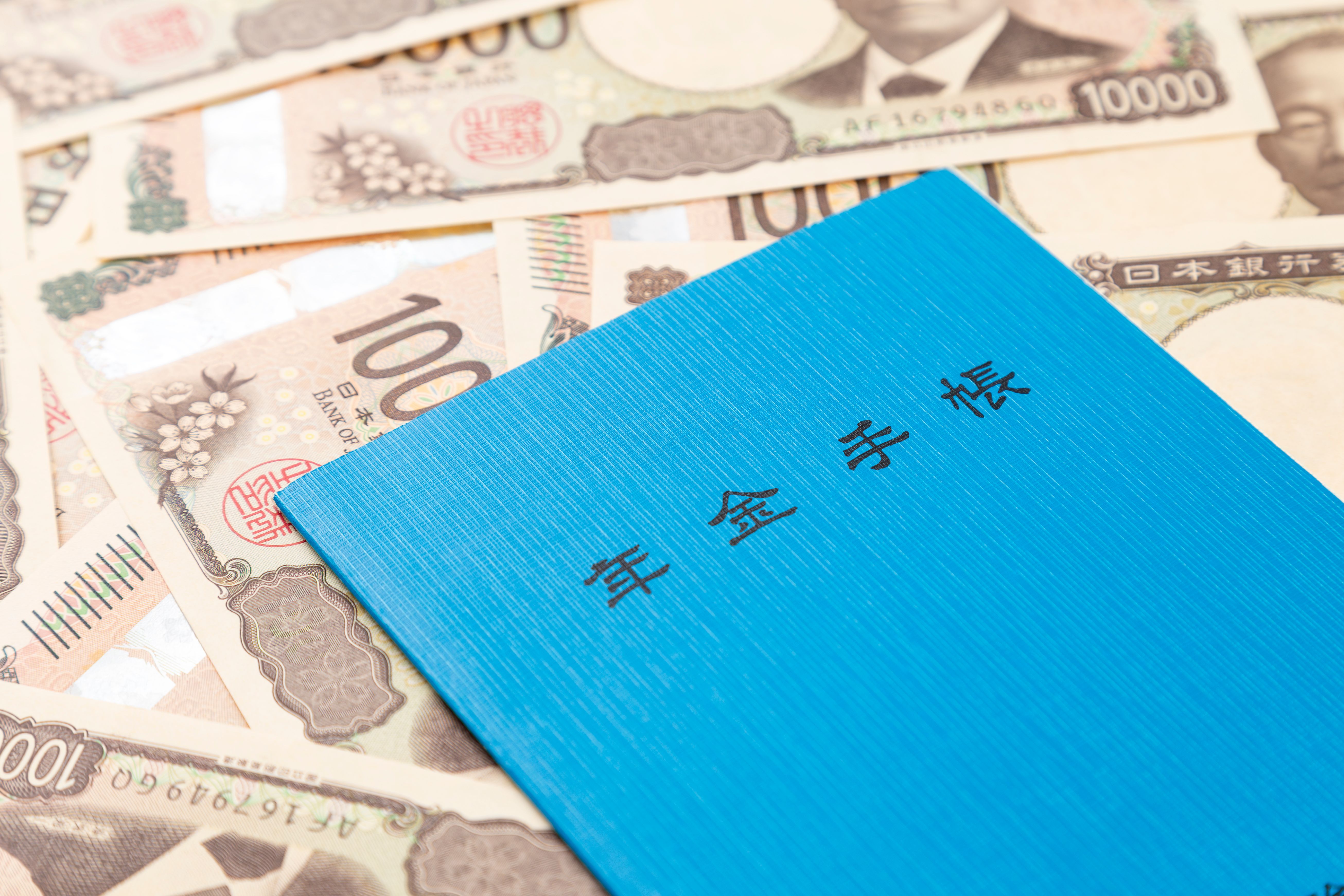
Eligibility for the pension system generally begins at age 20 and continues until age 60. Enrollment in the National Pension is mandatory for all residents, including foreign nationals residing in Japan. Those employed by companies are automatically enrolled in the Employees' Pension Insurance through their employers.
For expatriates and short-term residents, understanding the pension system is crucial. Short-term residents might be eligible for a refund of their pension contributions upon leaving Japan, known as the Lump-sum Withdrawal Payments.
Contribution and Benefits
Contributions to the National Pension are standardized, whereas contributions to the Employees' Pension Insurance are income-based. These contributions are essential as they determine the benefits received upon retirement. The benefits include not only retirement pensions but also disability and survivor pensions, providing comprehensive coverage.

Calculating Your Pension
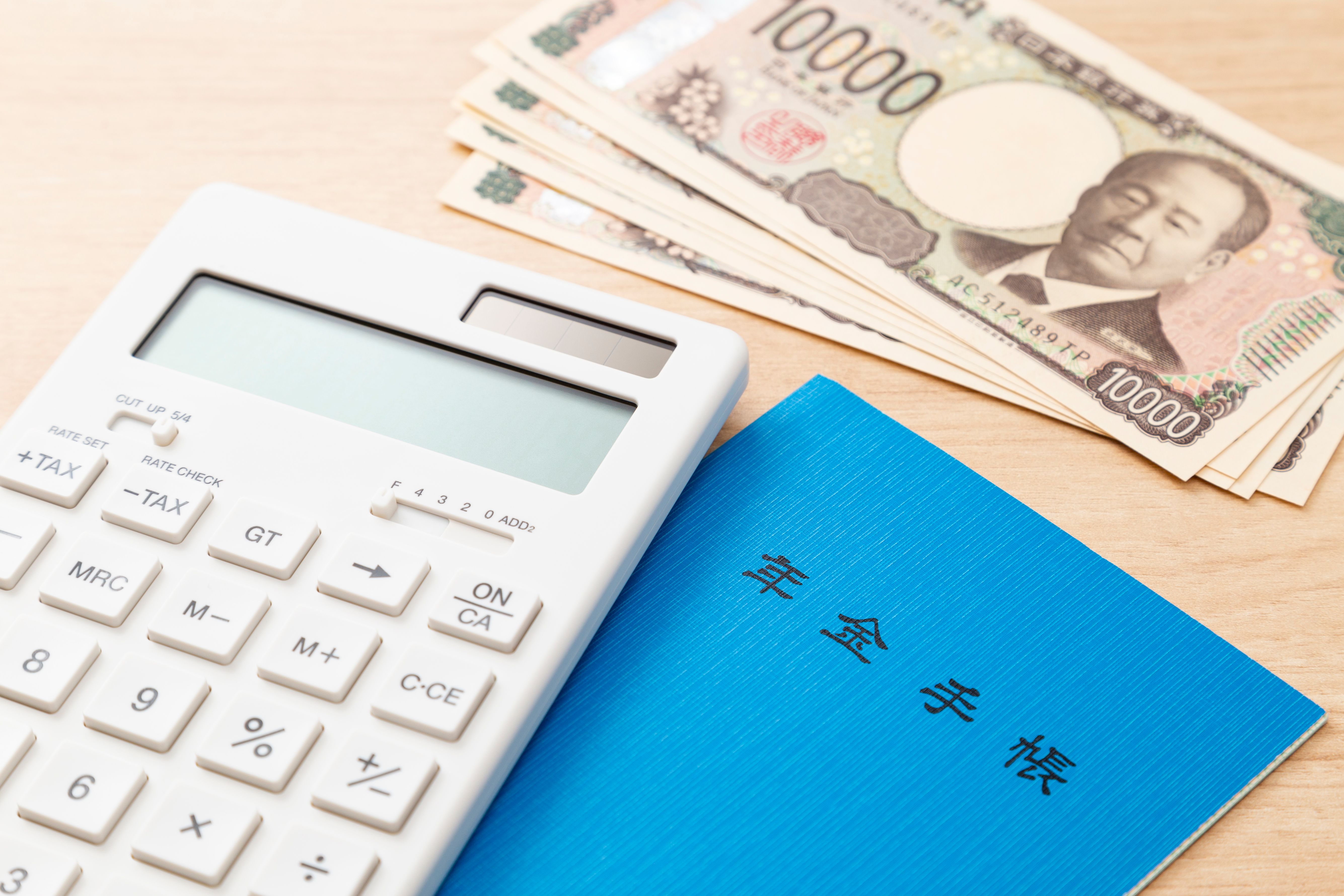
Calculating the pension amount can be intricate, as it depends on factors such as the length of contribution and the average income during employment. The Japanese Pension Service provides online tools and resources to help individuals estimate their future pension benefits.
For expatriates, understanding the calculation method is vital for financial planning. Various international agreements may affect pension benefits, especially for those who have contributed to pension systems in other countries.
Applying for Pension Benefits
When approaching retirement age, applying for pension benefits becomes a critical step. The application process requires specific documentation, including proof of identity and contribution history. It's advisable to start the application process well in advance to ensure timely receipt of benefits.
Expert Tips and Resources
Navigating Japan's pension system can be challenging without expert guidance. Engaging with financial advisors who specialize in Japanese pensions can provide invaluable insights. Additionally, the Japanese Pension Service offers informational sessions and consultations, which can be particularly beneficial for foreign residents.
Staying informed through official websites and resources is also crucial. These platforms offer updates on any changes to the system, ensuring that residents can adapt their plans accordingly.
- Consult with financial advisors for personalized advice.
- Utilize online tools from the Japanese Pension Service for estimates.
- Attend informational sessions for guidance.
By understanding and effectively managing your contributions and benefits, you can secure a more stable financial future in Japan. Whether you're a resident or an expatriate, taking proactive steps will ensure you make the most of Japan's pension system.