Comprehensive Guide to Planning Your 老後 with Art Investments


Planning for your retirement, or 老後, is a vital step towards ensuring a comfortable and fulfilling future. While traditional savings and investments are common routes, diversifying with art investments can be both rewarding and profitable. This guide will walk you through the essentials of integrating art into your retirement strategy.
Understanding Art as an Investment
Art investments can offer financial returns while providing aesthetic pleasure. Unlike stocks or bonds, art is a tangible asset that can appreciate over time. However, it requires a keen eye and strategic planning to select pieces that will maintain or increase their value.
The key to successful art investment lies in understanding the market and recognizing potential in emerging artists. Awareness of trends and historical performance can provide insights into future valuations.
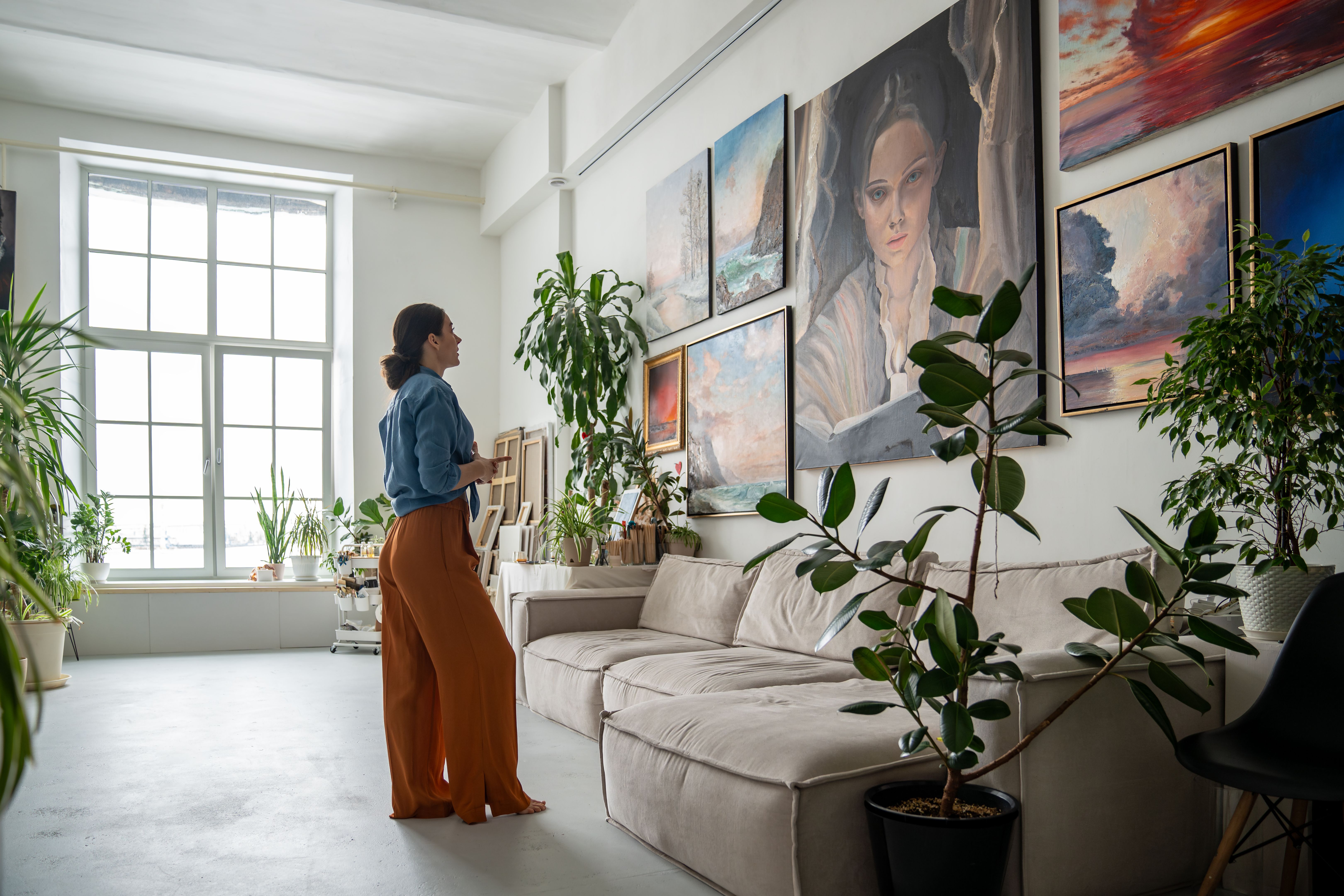
Building Your Art Portfolio
Diversification
Much like a financial portfolio, an art portfolio benefits from diversification. Consider investing in a mix of established artists and promising newcomers, as well as a variety of styles and mediums. This approach minimizes risk and increases potential for returns.
Research and Expertise
Investing in art requires thorough research. Attend galleries, exhibitions, and auctions to gain firsthand experience. Consulting with art advisors or dealers can also provide valuable insights. Their expertise can guide you in making informed decisions.

Evaluating Art Value
Quality and Authenticity
The value of an art piece is influenced by its quality and authenticity. Ensure that artworks are genuine and well-preserved. Provenance, or the history of ownership, plays a crucial role in verifying authenticity and can significantly impact the piece’s value.
Market Trends
Stay informed about current market trends and artist reputations. Art fairs and industry publications can provide updates on emerging trends and influential artists, helping you make strategic investment choices.
Long-Term Strategy
Art investments should be viewed as a long-term commitment. Unlike stocks that can be quickly liquidated, art requires patience. The value may fluctuate, but historically, it has shown appreciation over extended periods.
Consider the potential for leasing or lending artwork to museums or exhibitions. This can provide a steady income stream while enhancing the artwork’s provenance and reputation, potentially increasing its value.
Conclusion
Integrating art investments into your retirement planning offers a unique blend of cultural enrichment and financial opportunity. By understanding the art market and building a diversified portfolio, you can enjoy both the aesthetic and monetary benefits as you plan for your 老後.