Comprehensive Guide to Financial Planning for Retirement in Japan


Understanding the Basics of Retirement Planning in Japan
Planning for retirement in Japan requires a solid understanding of the pension system, savings options, and investment opportunities. The Japanese pension system consists of a public pension plan and various private plans. It's crucial to understand how these elements work together to ensure a stable retirement.
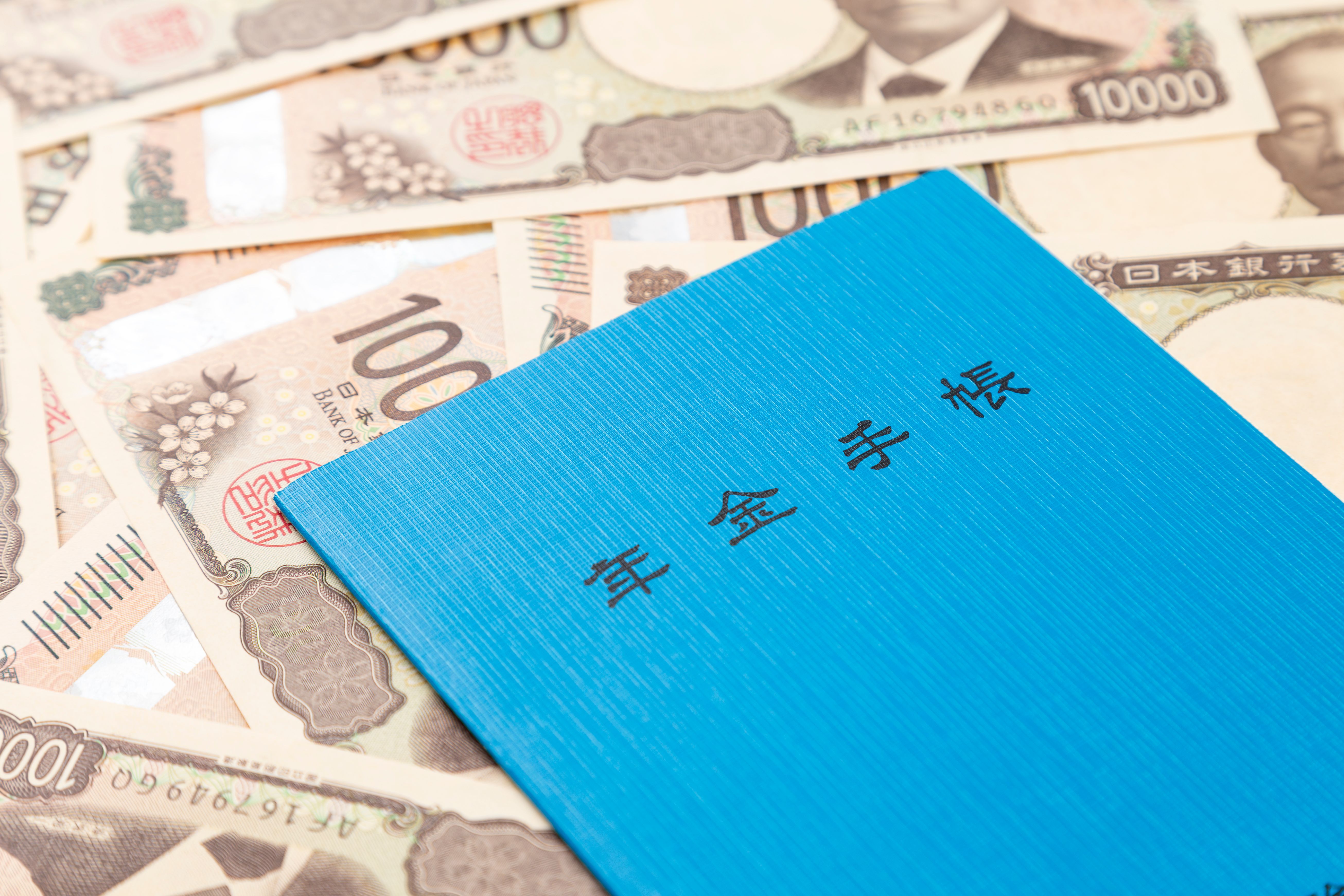
The public pension system includes the National Pension (Kokumin Nenkin) and the Employees’ Pension Insurance (Kosei Nenkin). Both provide a foundation for retirement income, but individuals often need to supplement these with other savings and investments.
Setting Retirement Goals
Before diving into financial planning, it's important to establish clear retirement goals. Consider factors such as your desired lifestyle, the age at which you wish to retire, and any specific financial needs you may have. Setting these goals will guide your savings and investment strategies.
Calculate your future expenses, considering healthcare, travel, and leisure activities. This will give you a clearer picture of the amount you'll need to save. Regularly reviewing and adjusting your goals can help you stay on track.
Building a Retirement Savings Plan
Once your goals are set, it's time to develop a savings plan. Start by assessing your current financial situation, including income, expenses, and existing savings. Look for areas where you can cut costs to increase your savings rate.
Open dedicated retirement accounts such as NISA (Nippon Individual Savings Account) or iDeCo (individual-type Defined Contribution pension plan). These accounts offer tax advantages and are designed to encourage long-term saving.

Investment Strategies for Retirement
Investing is a key component of retirement planning. Diversifying your investments across different asset classes can help reduce risk and improve returns. Consider a mix of stocks, bonds, and real estate investments.
In Japan, many individuals invest in mutual funds and exchange-traded funds (ETFs) to gain exposure to global markets. It's important to align your investment strategy with your risk tolerance and retirement timeline.
Managing Risks and Uncertainties
Retirement planning involves managing potential risks such as market volatility, inflation, and changes in the economy. Having a well-diversified portfolio and regularly reviewing your investments can help mitigate these risks.

Consider working with a financial advisor to navigate complex investment decisions and stay informed about changes in tax laws or pension regulations that may affect your retirement plan.
Preparing for Healthcare Costs
Healthcare can be a significant expense during retirement. In Japan, national health insurance provides basic coverage, but additional private insurance may be necessary for more comprehensive care.
Estimate potential healthcare costs and include them in your retirement budget. Planning for these expenses early can prevent financial strain later in life.
Reviewing and Adjusting Your Plan
Regularly reviewing your retirement plan is essential to ensure it remains aligned with your goals and circumstances. Life changes, such as a new job or family responsibilities, may require adjustments to your savings and investment strategies.

Stay informed about economic trends and changes in pension regulations that could impact your retirement plan. Being proactive and flexible will help you navigate the path to a secure retirement.